Essential Guide to Residential Garage Door Repair
When a garage door stops working properly, it can disrupt your entire day. Whether the door refuses to open, makes a terrible grinding noise, or simply won't stay closed, knowing what to expect from residential garage door repair can save you time and frustration. Garage doors are complex mechanical systems, and even a small issue often points to a larger underlying problem.
Understanding the basic components and common failure points helps you make informed decisions about repairs. It also helps you communicate clearly with a technician when you need help. In this guide, we will walk through the most frequent issues homeowners encounter, the parts that typically wear out, and practical advice for keeping your door running smoothly.
Common Problems That Require Residential Garage Door Repair
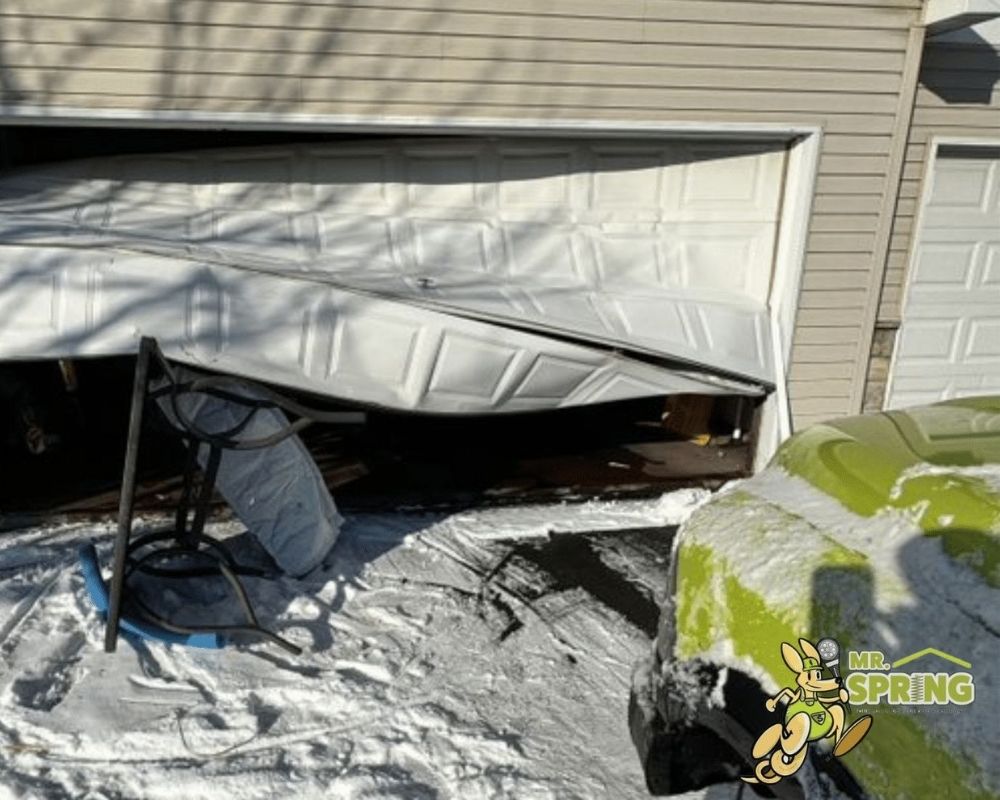
Most calls for residential garage door repair fall into a few predictable categories. The door might refuse to move at all, or it may move unevenly and get stuck halfway. Broken springs are a leading cause of sudden failure. Torsion springs and extension springs handle the heavy lifting of the door's weight. When a spring snaps, the door becomes extremely heavy and dangerous to operate manually.
Another frequent issue involves the garage door opener. Units from brands like LiftMaster, Chamberlain, and Genie are reliable, but they can lose programming, have worn-out gears, or suffer from electrical problems. The opener's motor may run but the door doesn't budge, which often points to a broken gear or a stripped drive coupler.
Safety sensors are another common culprit. These devices sit near the floor on both sides of the door and send an invisible beam across the opening. If the beam is blocked or the sensors are misaligned, the door will refuse to close. This is a built-in safety feature, but it can be triggered by something as simple as a cobweb or a slightly bumped sensor bracket.
Track and Roller Issues
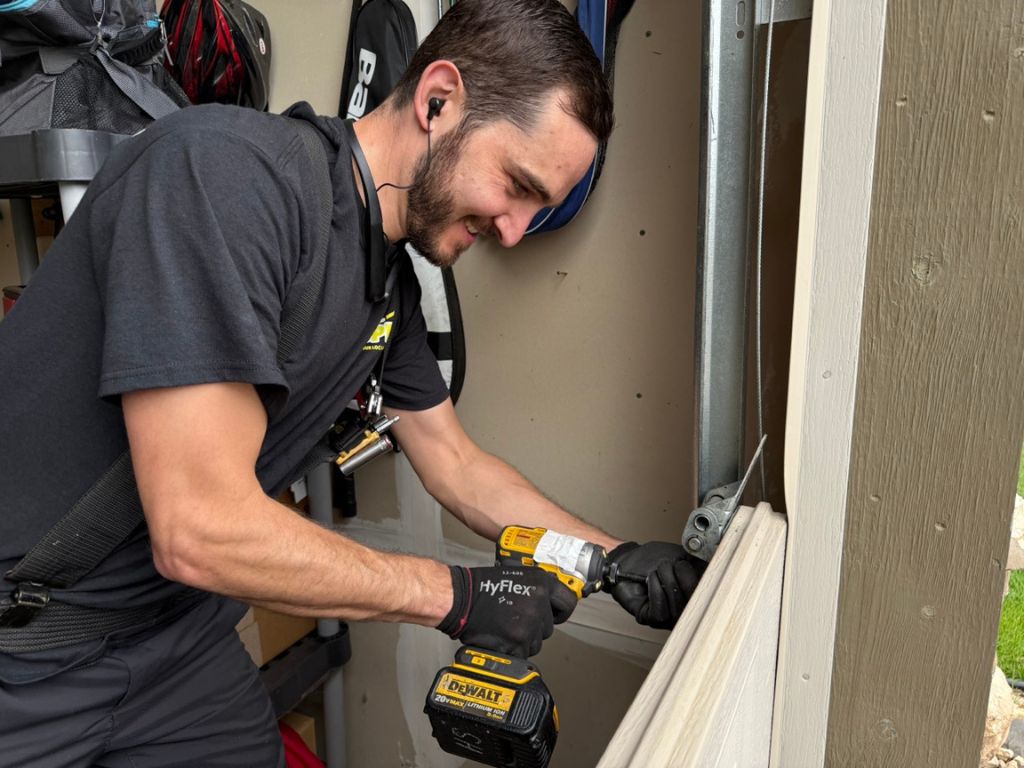
The garage door track guides the door as it moves up and down. Over time, the track can become bent, rusted, or misaligned. When that happens, the door may bind, scrape, or come off the track entirely. Garage door rollers are the small wheels that ride inside the track. They wear down, crack, or collect debris, causing the door to jerk or wobble during operation.
If you notice the door making a scraping sound or moving unevenly, inspect the rollers and track first. Replacing worn rollers is a straightforward fix that can dramatically improve operation. The track itself may need to be adjusted or, in severe cases, replaced. A bent track should never be ignored, as it puts additional strain on the opener and the door panels.
Cable and Spring Concerns
Garage door cables are under constant tension, especially on doors that use extension springs. A snapped cable can cause the door to fall suddenly. This is a serious safety hazard. Cables typically fray near the drum or at the bottom bracket. Regular visual inspection can catch fraying before it leads to failure.
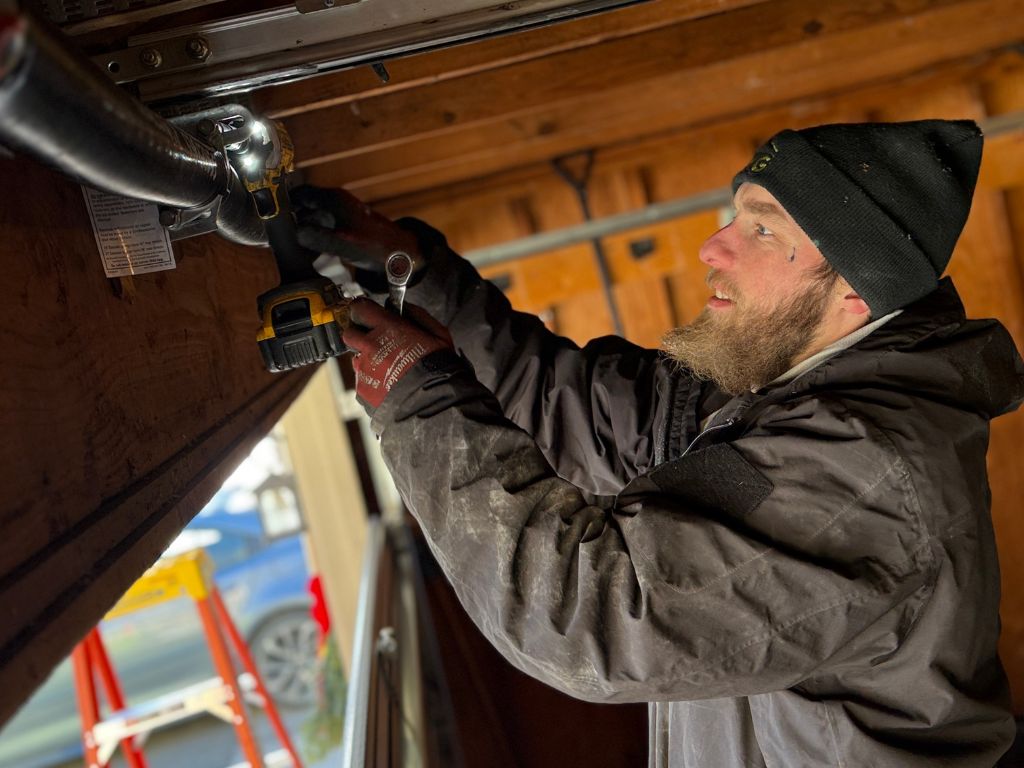
Torsion springs are mounted above the door opening and are under extreme tension. Adjusting or replacing torsion springs requires specialized tools and knowledge. Attempting to work on them without proper training can result in severe injury. This is one area where professional residential garage door repair is strongly recommended. Technicians have the right winding bars and experience to handle springs safely.
Opener Compatibility and Smart Upgrades
Modern garage door openers offer more than just basic remote operation. Many homeowners are upgrading to a smart garage door controller that allows them to open and close the door from a smartphone, receive alerts if the door is left open, and integrate with home automation systems. Brands like LiftMaster and Chamberlain offer their own MyQ technology, while Genie provides Aladdin Connect. These systems work with most residential doors and can be added to existing openers in many cases.
Compatibility matters. If you have an older opener, it may not support a smart controller without an adapter. Some openers use different radio frequencies or rolling code technologies that do not communicate with newer devices. A technician can check compatibility and recommend the right upgrade for your setup.
Door Material and Panel Types
The type of door you have affects both repair options and replacement parts. Panel garage doors are the most common in residential settings. They consist of several horizontal sections hinged together. Brands like Clopay, Amarr, and Wayne Dalton dominate this market. Each brand has its own track system, hinge design, and roller configuration. Parts are often not interchangeable between brands.
Roller garage doors are less common in homes but still appear on some attached garages, especially in urban areas like Minneapolis or St. Paul. These doors roll up into a drum above the opening. They use a different spring and track system than panel doors. Repairing a roller door often requires specialized parts and knowledge.
Weather Seals and Energy Efficiency
The garage door seal runs along the bottom and sides of the door. It keeps out drafts, rain, snow, and pests. In Minnesota, where winters are harsh, a good seal is essential. A damaged or compressed seal allows cold air to enter the garage, which can affect the temperature of adjacent rooms and increase heating costs. Replacing the seal is a simple DIY task, but it makes a noticeable difference in comfort and efficiency.
Check the seal regularly for cracks, tears, or gaps. If light is visible around the edges of a closed door, the seal needs attention. Some seals attach with a retainer strip, while others slide into a channel. Matching the correct profile is important for a tight fit.
When to Call a Professional
Some garage door issues are safe for a handy homeowner to address. Lubricating moving parts, tightening hardware, and cleaning the tracks are routine maintenance tasks. But many problems require professional residential garage door repair. Working on springs, cables, and openers involves stored energy and heavy components. A mistake can cause serious injury or property damage.
If your door is off its track, if a spring is broken, or if the opener has a wiring issue, it is best to call a technician. They have the training and tools to diagnose the problem quickly and make repairs safely. In the Minneapolis and St. Paul area, winter weather adds extra urgency. A stuck door in subzero temperatures is more than an inconvenience, it can prevent you from using your vehicle or accessing stored items.
Preventive Maintenance Tips
Regular maintenance extends the life of your garage door and reduces the need for emergency repairs. Here are a few simple practices that make a difference:
- Lubricate the rollers, hinges, and springs twice a year with a silicone-based or lithium-based spray. Avoid using WD-40 as a lubricant, it is a solvent and will dry out over time.
- Inspect the cables for fraying and the springs for signs of rust or fatigue. Replace any component that looks worn before it fails.
- Test the safety sensors monthly by placing an object in the door's path. The door should reverse immediately. If it does not, clean the sensor lenses and check the alignment.
- Tighten the hardware on the track brackets and the door hinges. Vibration from daily use can loosen bolts over time.
Following these steps will keep your door operating reliably and help you catch minor issues before they become major repairs. If you have an older opener, consider upgrading to one with battery backup. Power outages are common during Minnesota storms, and a backup ensures you can still get in and out of your garage.
Choosing the Right Parts
When repairs are necessary, using the correct parts matters. Garage door springs are rated by the weight of the door and the drum size. Installing a spring with the wrong tension can cause the door to be too heavy or too light, leading to premature wear on the opener and cables. Similarly, garage door rollers come in different stem lengths and wheel diameters. Using the wrong size can cause the door to bind or come off the track.
If you are replacing an opener, consider the horsepower rating. A standard 7-foot door typically works well with a 1/2-horsepower opener. Taller or heavier doors may require a 3/4-horsepower unit. Matching the opener to the door's weight and size ensures smooth operation and a longer lifespan for the equipment.
Final Thoughts
Garage door problems can feel overwhelming, especially when they happen at the worst possible time. But most issues have straightforward solutions. Understanding the basic components, recognizing the warning signs, and knowing when to call a professional for residential garage door repair will keep your door working reliably for years. Whether you live in Minneapolis, St. Paul, or anywhere in Minnesota, a well-maintained garage door adds convenience, security, and peace of mind to your daily routine.